
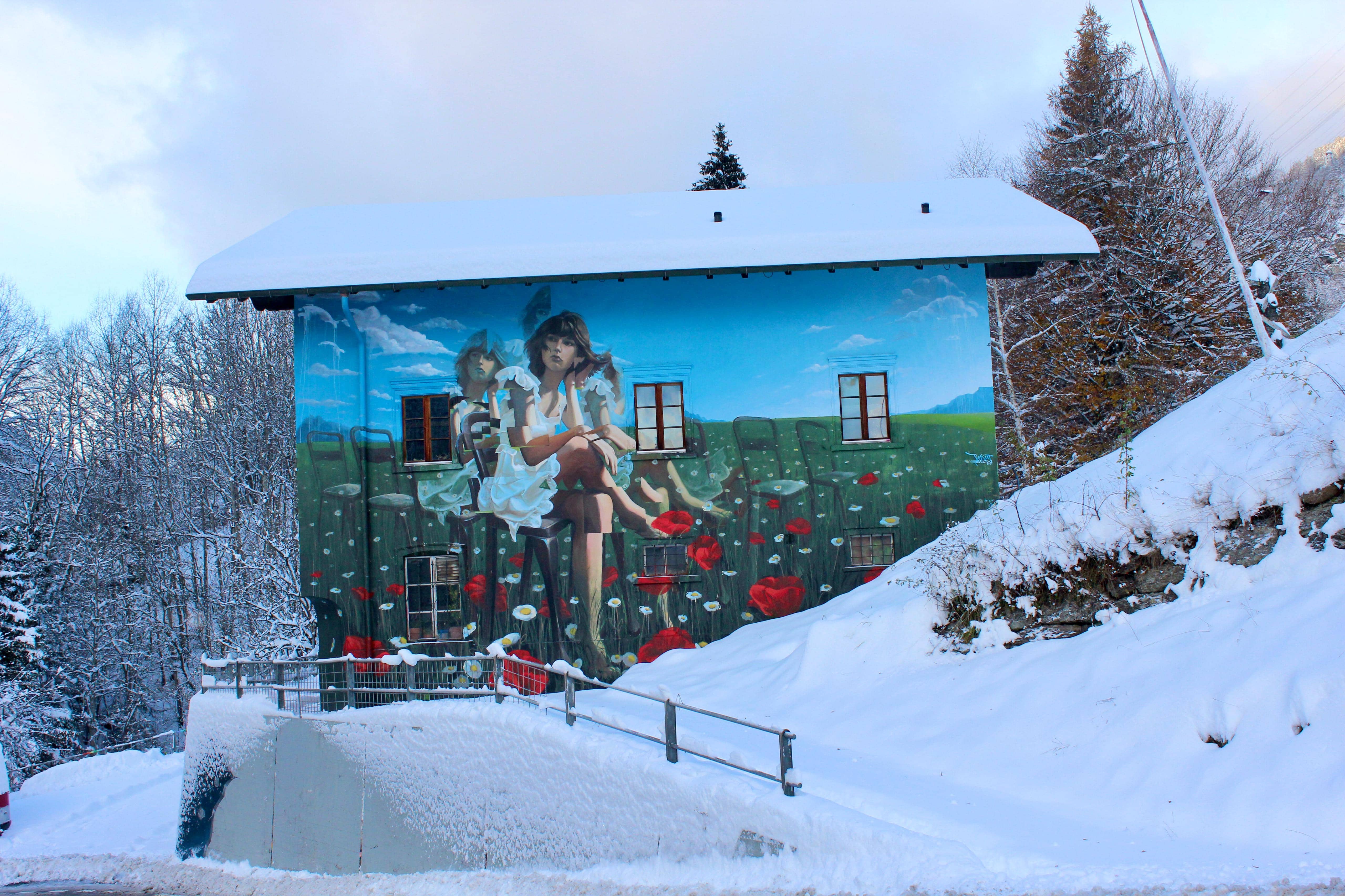
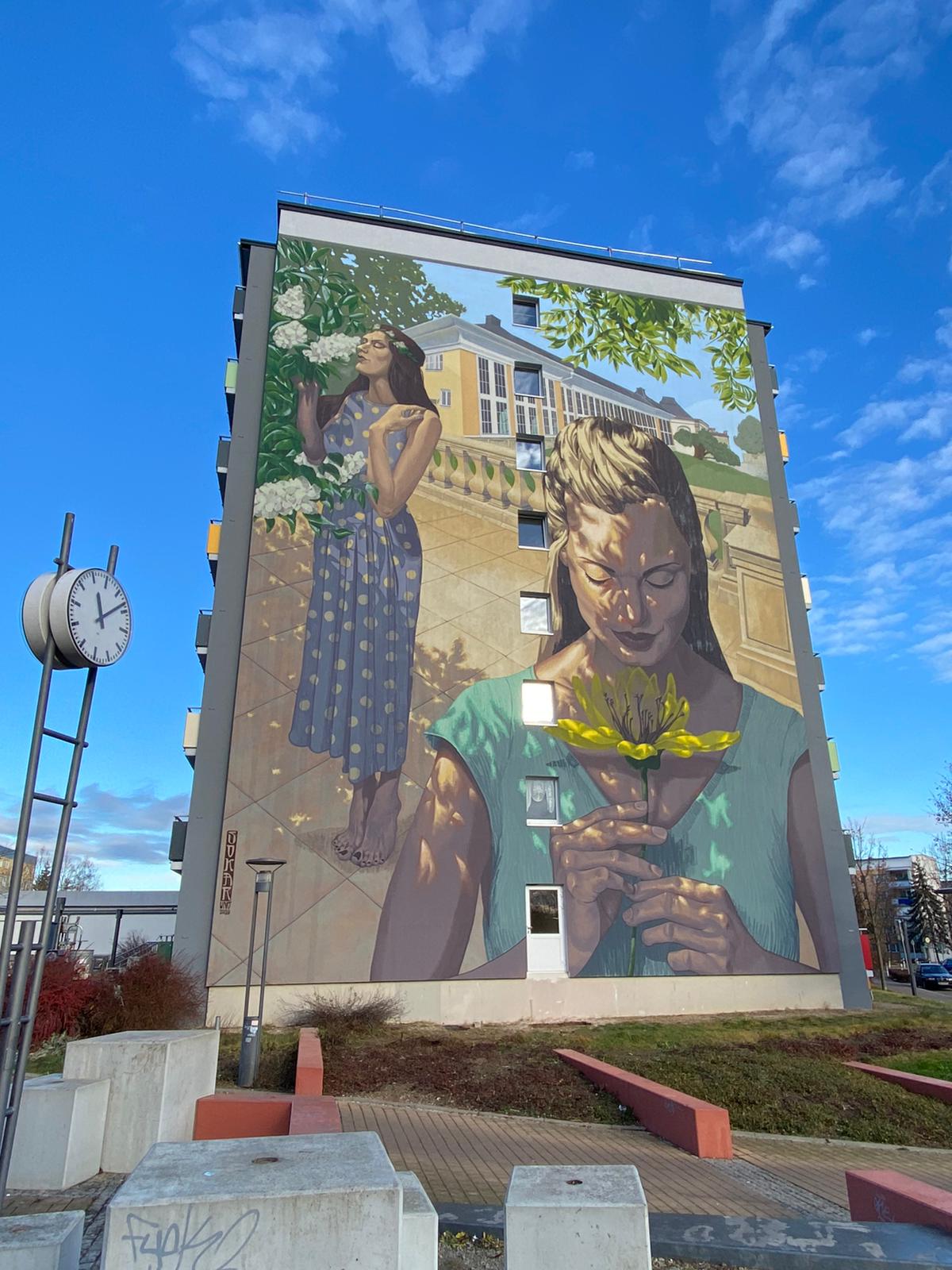
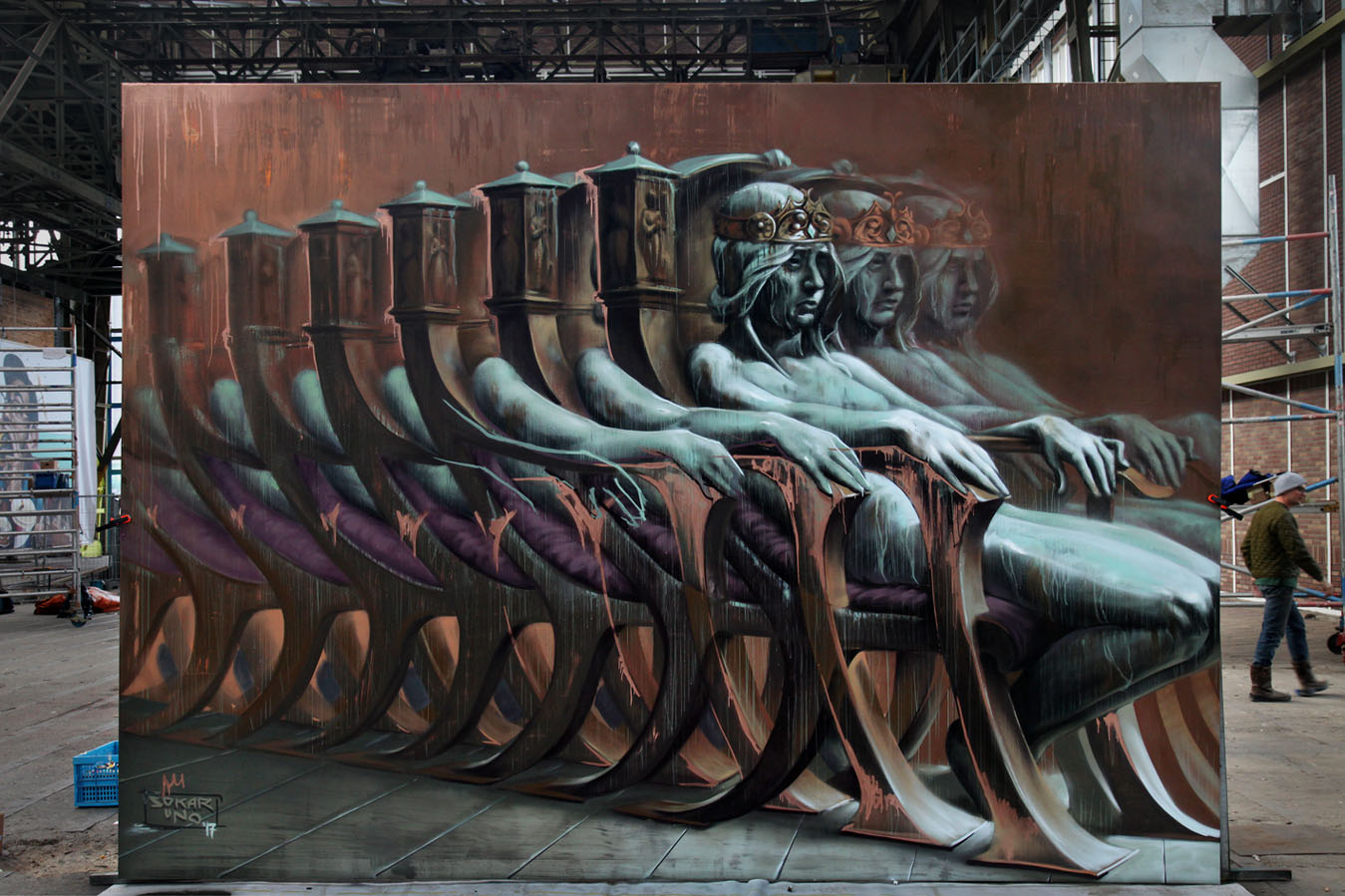
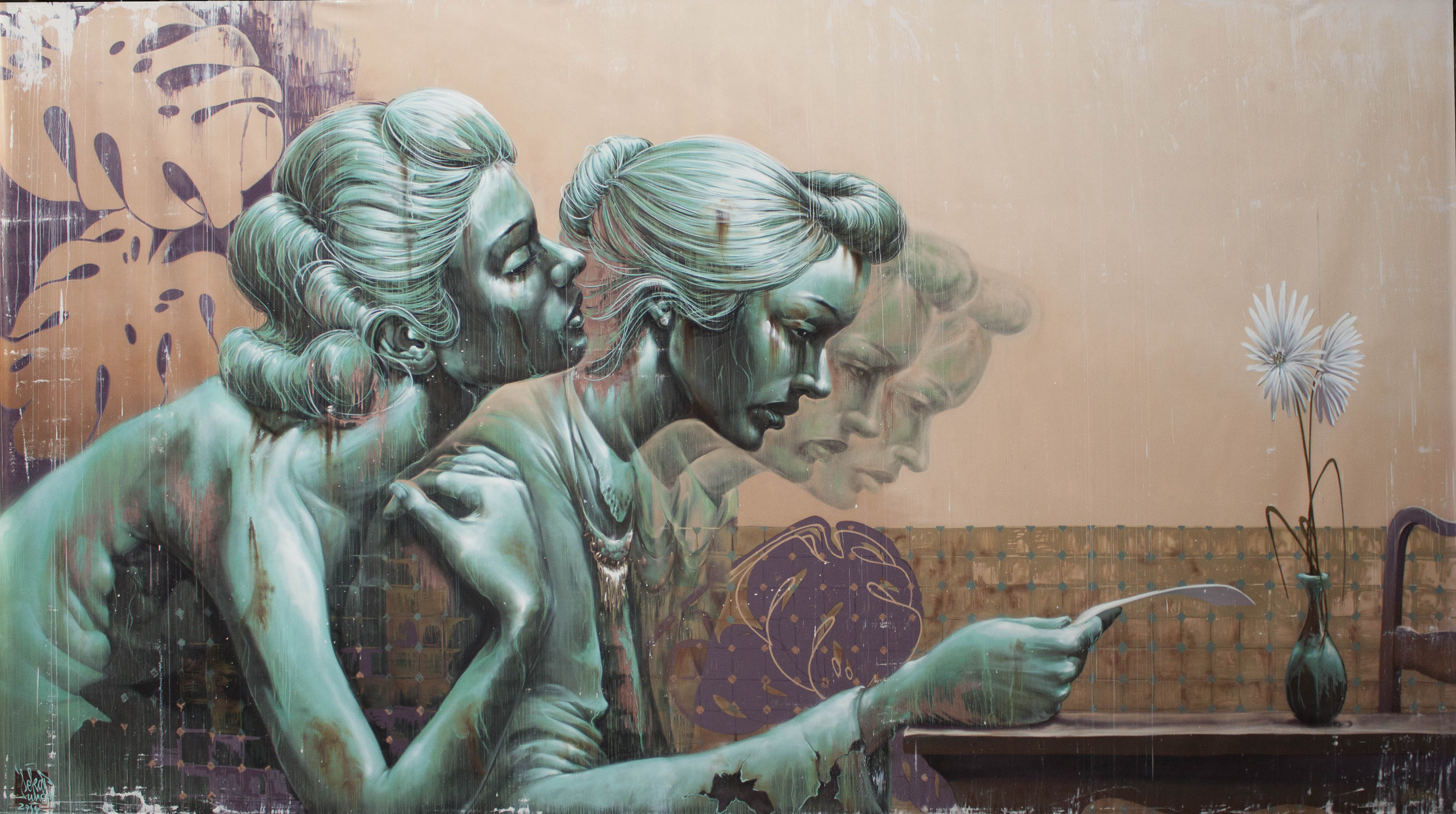
The Berlin-based artist Sokar Uno belongs to that generation of urban art positions that emerged from classical graffiti culture and have consistently evolved in the direction of contemporary painting. His artistic career began in 1999 in the local graffiti scene, where he first worked with the spray can and expressed himself through writing, form and rhythm in public space. These early years still shape his visual language today - visible in dynamic compositions, fragmented figures and a strong sensitivity to urban surfaces.
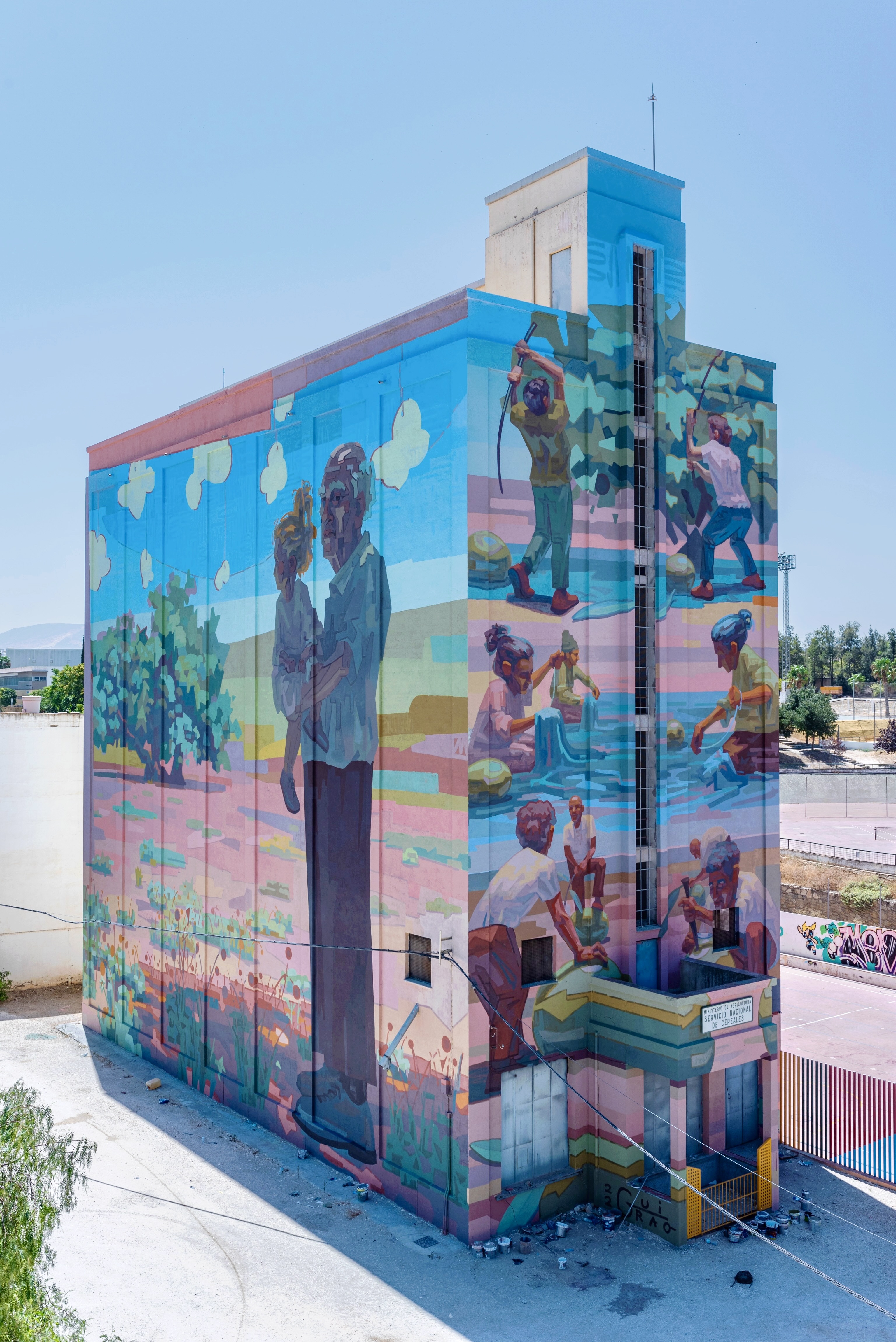
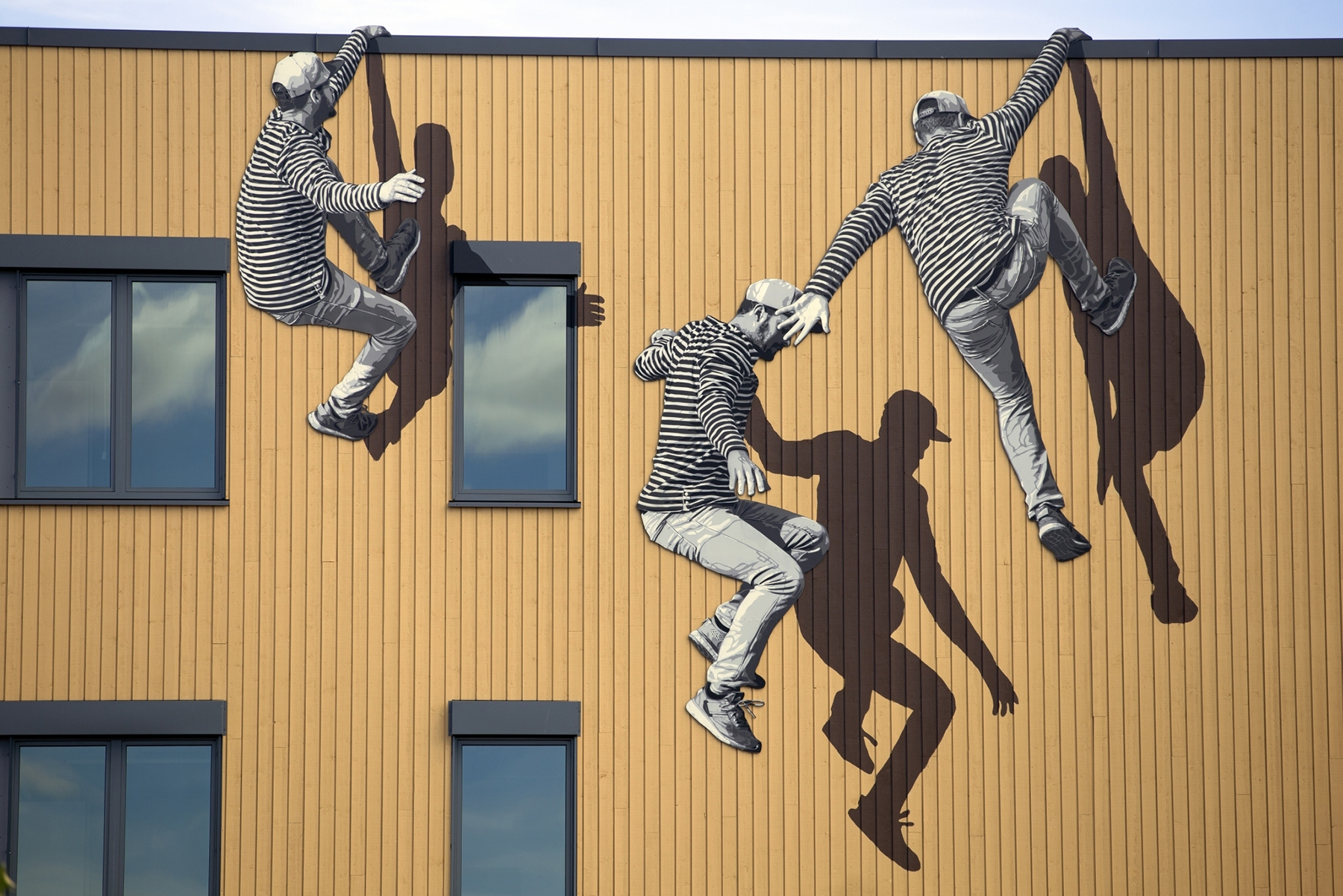
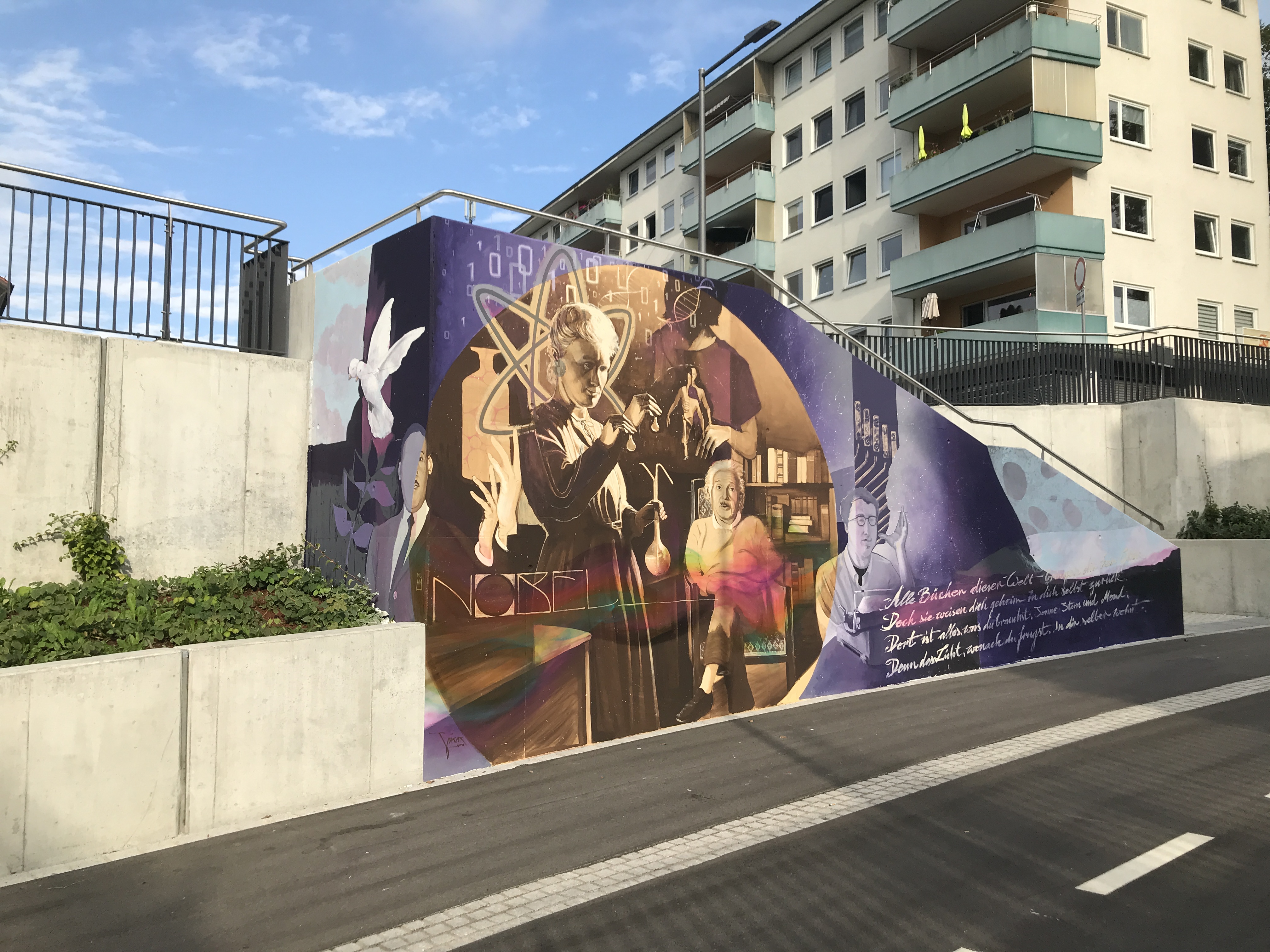
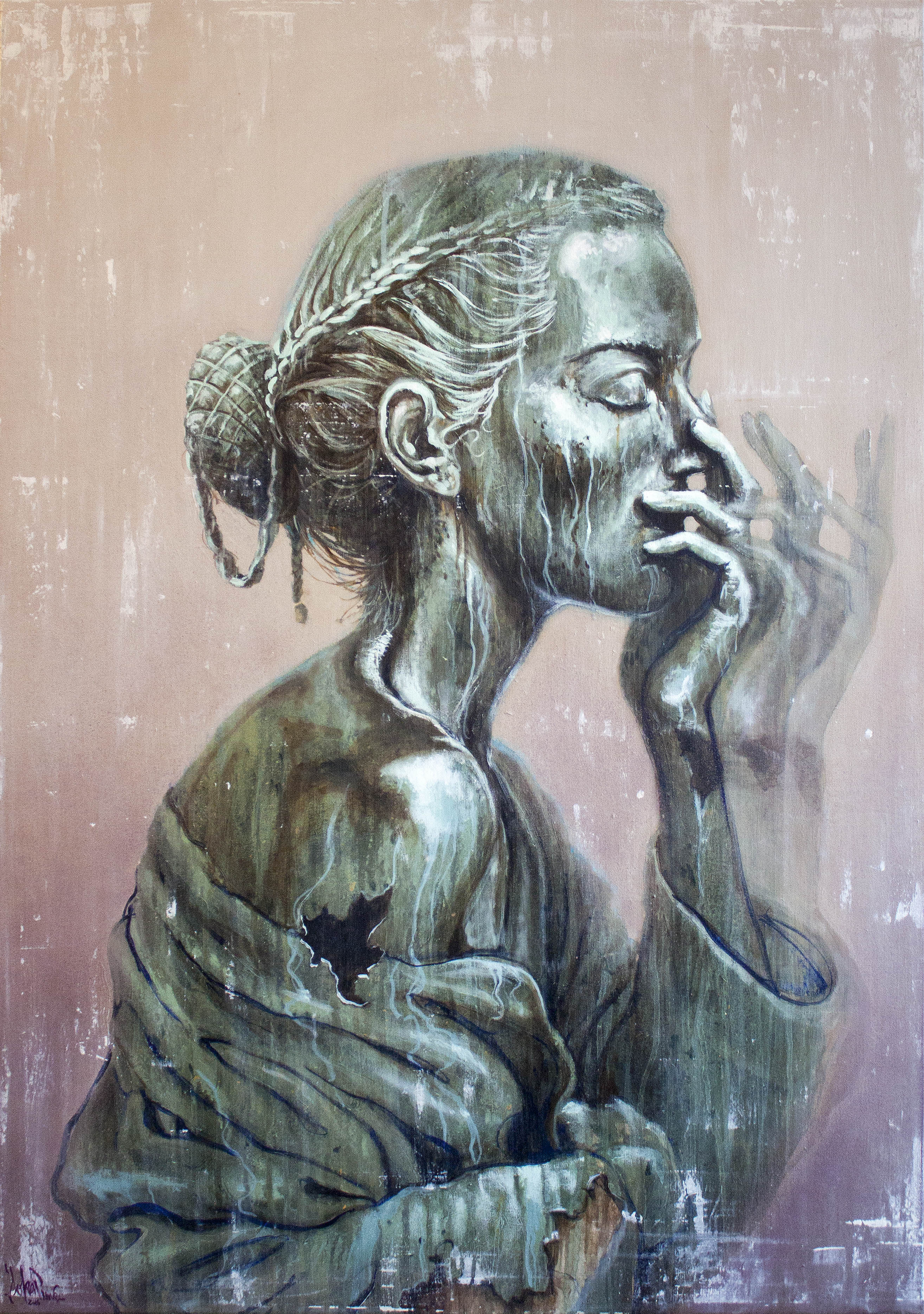
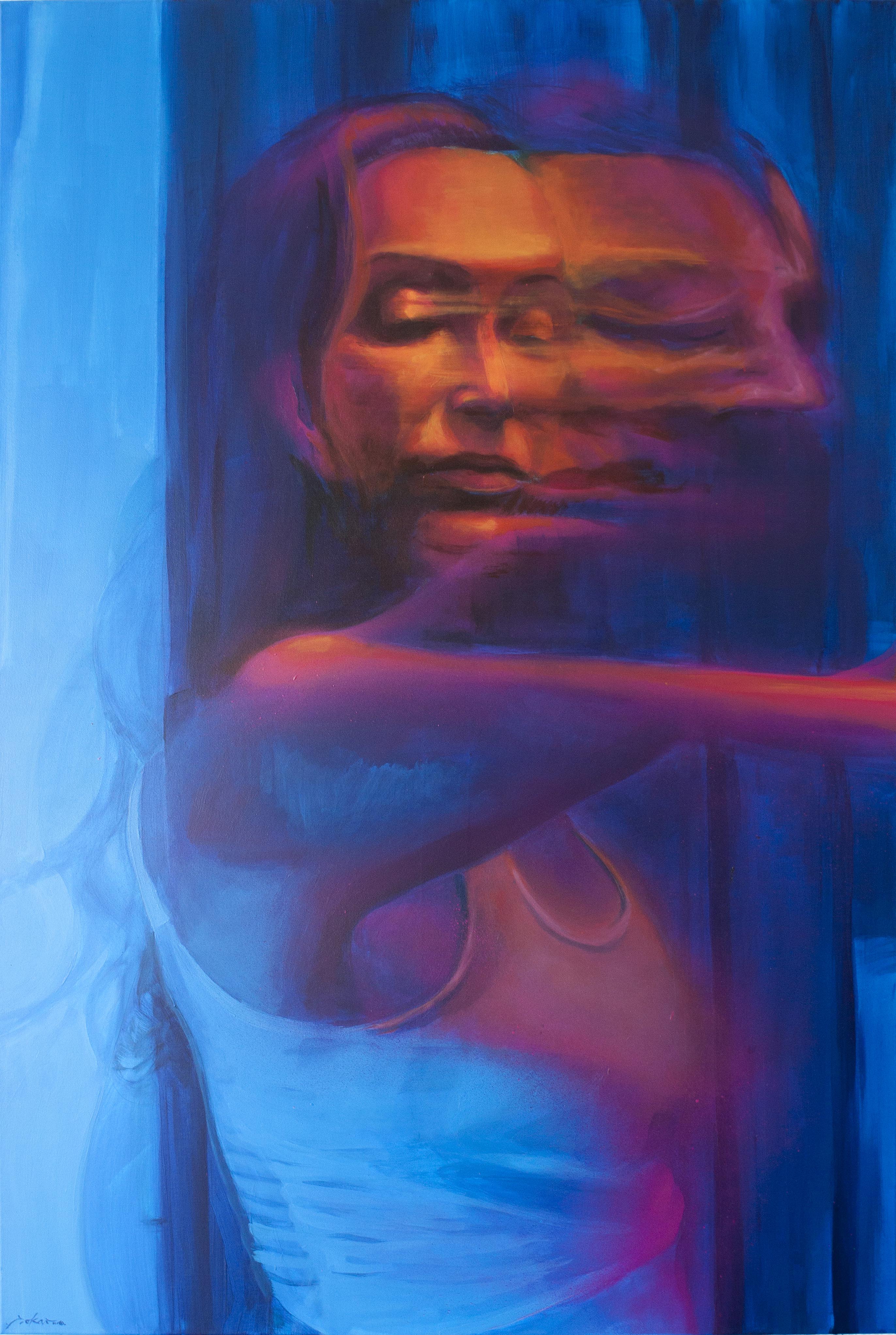
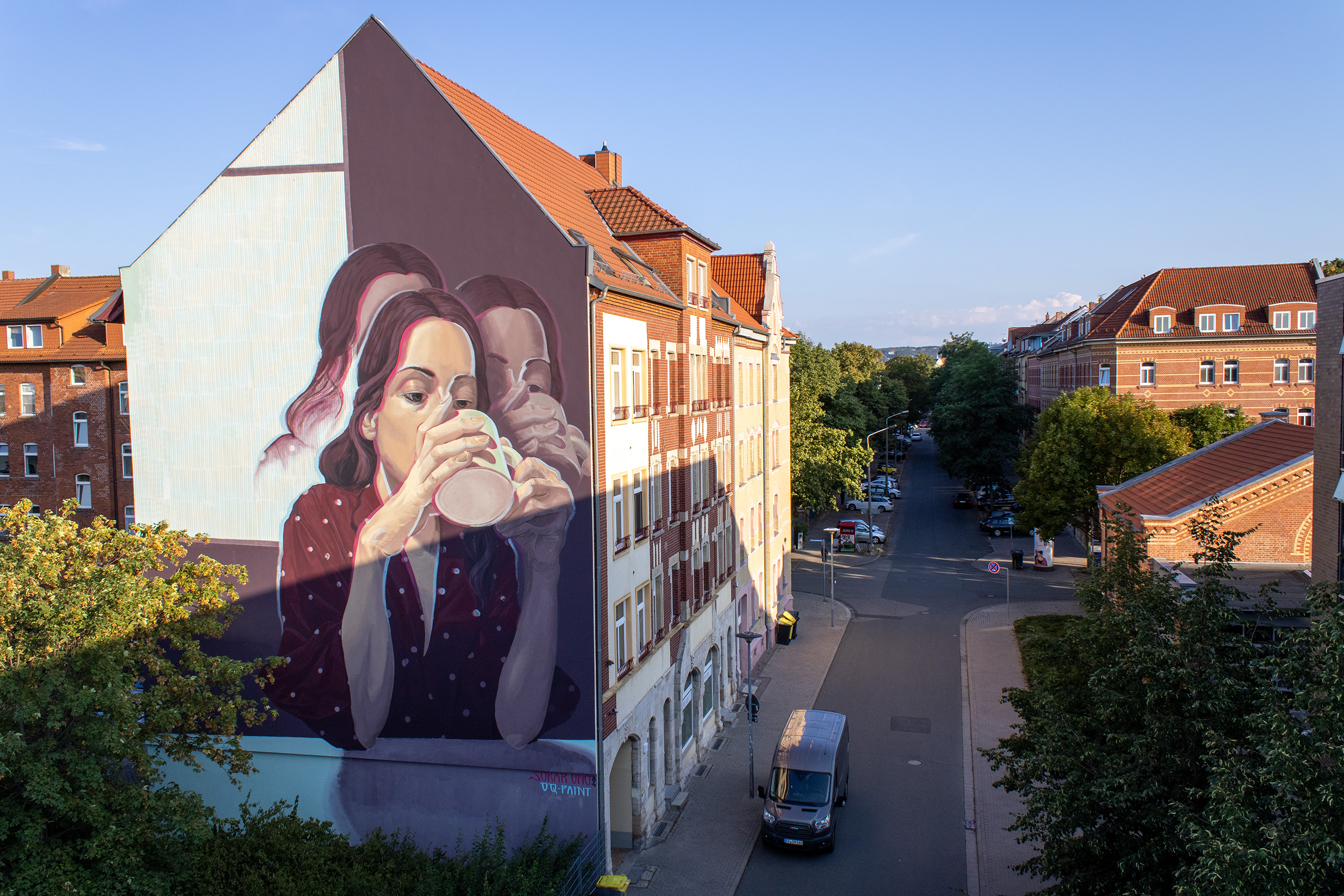
Over time, his interest shifted from classic letter styles to figurative representations. Sokar Uno began to combine elements of traditional painting with the creative principles of street art. His works move in figuration: bodies, faces and forms are disassembled, superimposed or reassembled. This fragmentation and repetition creates a visual tension that allows for both movement and narrative openness - an approach that has become increasingly important in the urban art scene.
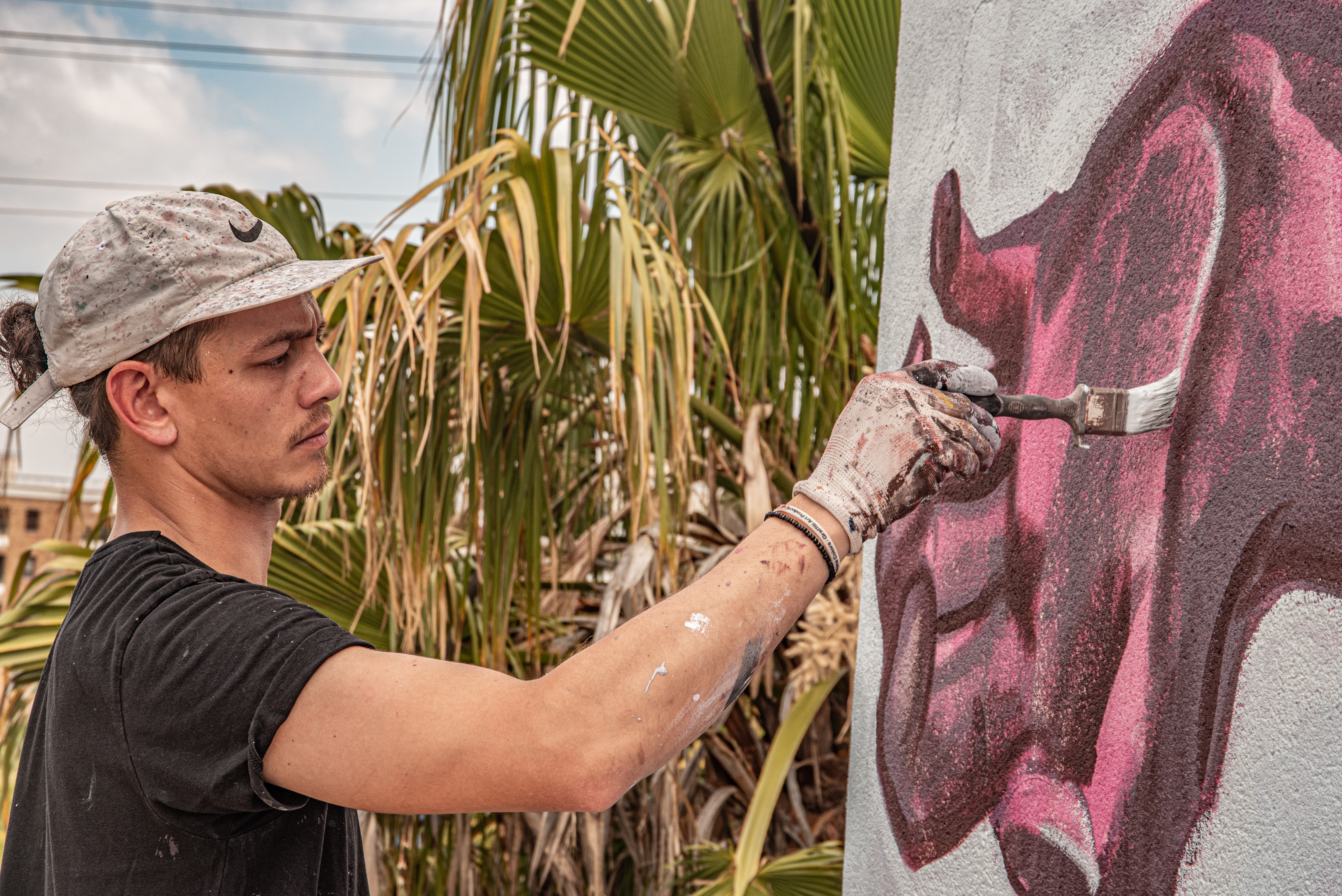
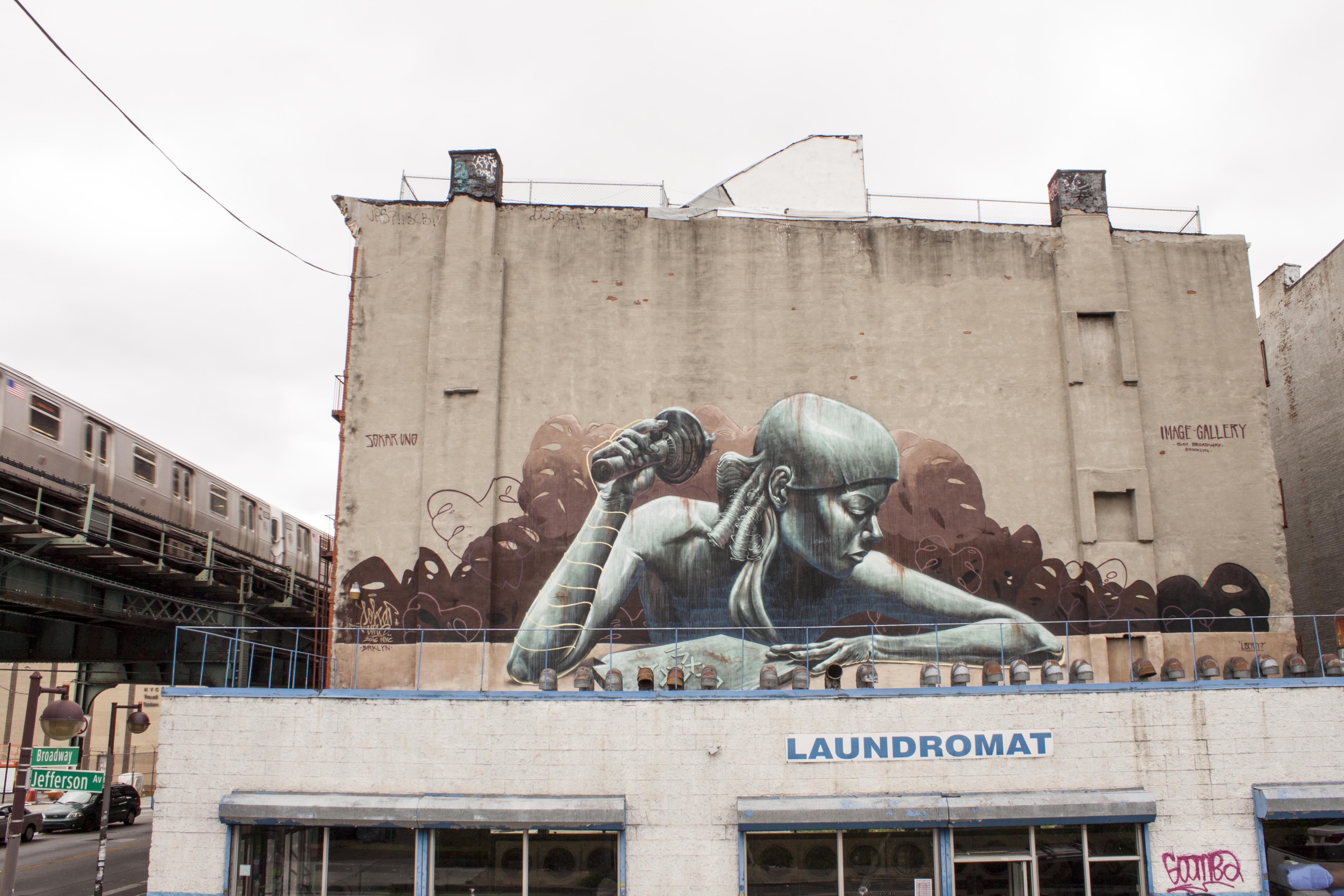
Characteristic of his way of working is the conscious use of brush and painter's roller instead of the classic spray can. This decision gives his murals a painterly depth and physical presence that goes beyond the spontaneous character of graffiti. Sokar Uno prefers to work on large-format walls but also canvases, whereby urban space continues to play a central role in his artistic practice.
His large-scale wall works can be found today in numerous cities in Europe and internationally, including Berlin, London, New York City and Cape Town. This geographical range reflects not only the growing international perception of his work, but also his ability to integrate different urban contexts into his visual language.
His self-taught development is remarkable. Without classical academic training, Sokar Uno developed an independent visual signature for years, which is located between Urban Art, contemporary painting and figurative abstraction. His works combine the energy of the street with painterly reflection - and thus position him as a representative of a generation of artists who develop Urban Art not only as a subculture, but as a serious artistic practice.