395
Defined terms
From plop art and social sculpture to drone choreography. The field generates new forms faster than institutions can name them.
Defined terms
Categories
Case studies
Public access


This is a curated preview of the Monochronicle knowledge base — questions and answers drawn from common field queries. Live AI-assisted search is available to Members. We're actively seeking funders and partners to expand this work.
Searching cached questions...
Terms, case studies, and best practices organized by practice type. Each category combines shared language from the field with examples and guidance for artists and open-call administrators.
Civic Art; Street Art; Memorial; Sculpture; Environmental Art; Temporary Public Art; Permanent Public Art; Site-Specific Public Art; Interactive Public Art; Socially Engaged Art; Gateway Art; Ecological Art; Plop Art
Public Space; Placemaking; Site Context; Site Analysis; Sense of Place; Wayfinding; Streetscape; Gateway; Transit Hub; Right of Way; Landscape Integration; Mural Census & Inventory; Adaptive Reuse; Community Building
Copyright; Intellectual Property (IP); Moral Rights; VARA; Work Made for Hire; CAPA; Limited Reproduction License; Copyright Assignment a Transfer; Derivative Work Right; Concept Agreement; Deed of Gift; Ordinance; Visas
Community Engagement; Placemaking; Cultural Equity; Diversity, Equity & Inclusion (DEI); Civic Values; BIPOC; Underrepresented Artists; Public Trust; Community Engagement Methods; Equity & Inclusion; Art Education
Percent for Art; Grant; Commissioning Agency; Budget; Stipend; Artist Fee; Public Funding; Private Funding; Matching Funds; In-Kind Support; Patron-Driven Commission; Flexible Funding Models; Fundraising
Public art programs across North America are reconsidering whether the traditional expert panel is the only, or even the best, mechanism for community input in artist selection.
Key insight from practitioners: community input methods work best when they are integrated into the evaluation rubric with defined weighting, not added as a parallel track that panels can override.
 Best Practices
Imagine a public art ecosystem where artists understand the budget, the site, and the expectations of the call before investing days of work in a proposal. Tha…
 Best Practices
This article unpacks that machinery, tracing how procedural choices ripple outward to shape what gets built, whose voices are heard, and how communities experi…
 Best Practices
Integrating design thinking into public art projects offers a transformative approach to creating artworks that are deeply connected to the communities they se…
 Real Estate
The right mural becomes a landmark. The wrong one becomes the reason a prospective resident picks a different building.
Steps
Art Intelligence is not an encyclopedia. It is a living system that grows through practitioner knowledge, field review, and shared language.
(01)
Artists, administrators, curators, and scholars contribute definitions, case studies, and best practices.
(02)
A panel of field consultants reviews each submission for accuracy, context, and category classification.
(03)
Approved entries feed directly into the Knowledge Base and become available to practitioners free of charge.
Contributors
Join our community of language innovators and become one of the key contributors shaping our shared vocabulary.
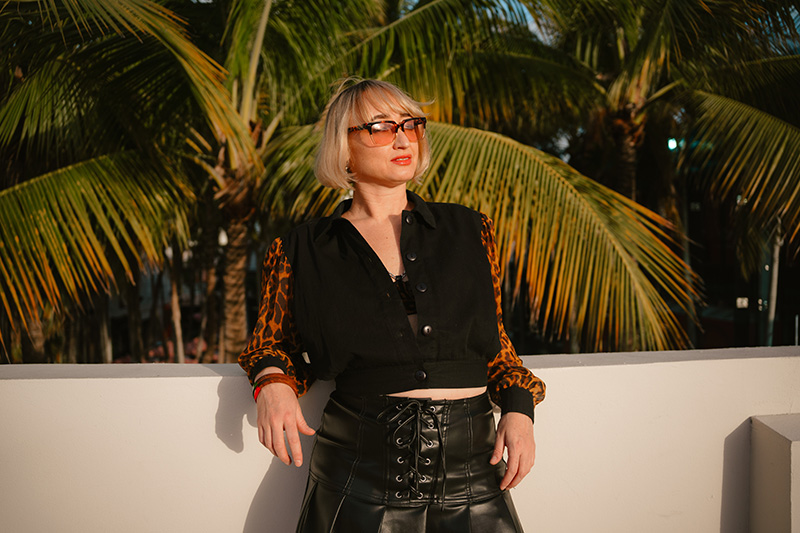
Monochronicle founder and public art curator with 10+ years leading mural projects, immersive festivals, international collaborations, and AI-driven art administration.
I created Monochronicle to make the public art process better for artists, administrators, and the communities they serve.
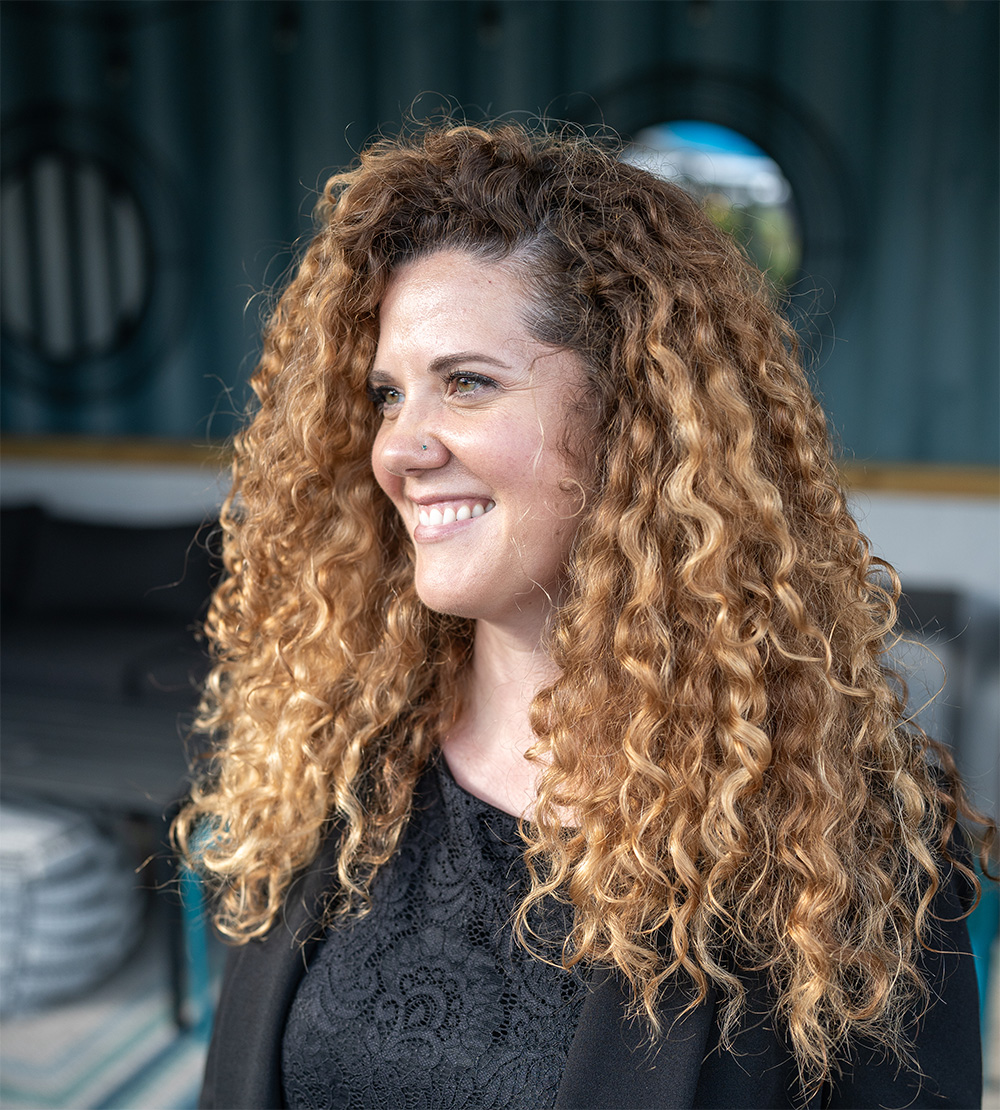
Seven-plus years leading SHINE and working across artist relations, curation, project management, collaborative partnerships, and creative placemaking.
I love what Monochronicle is doing in the public art space because it is grounded in real practice.
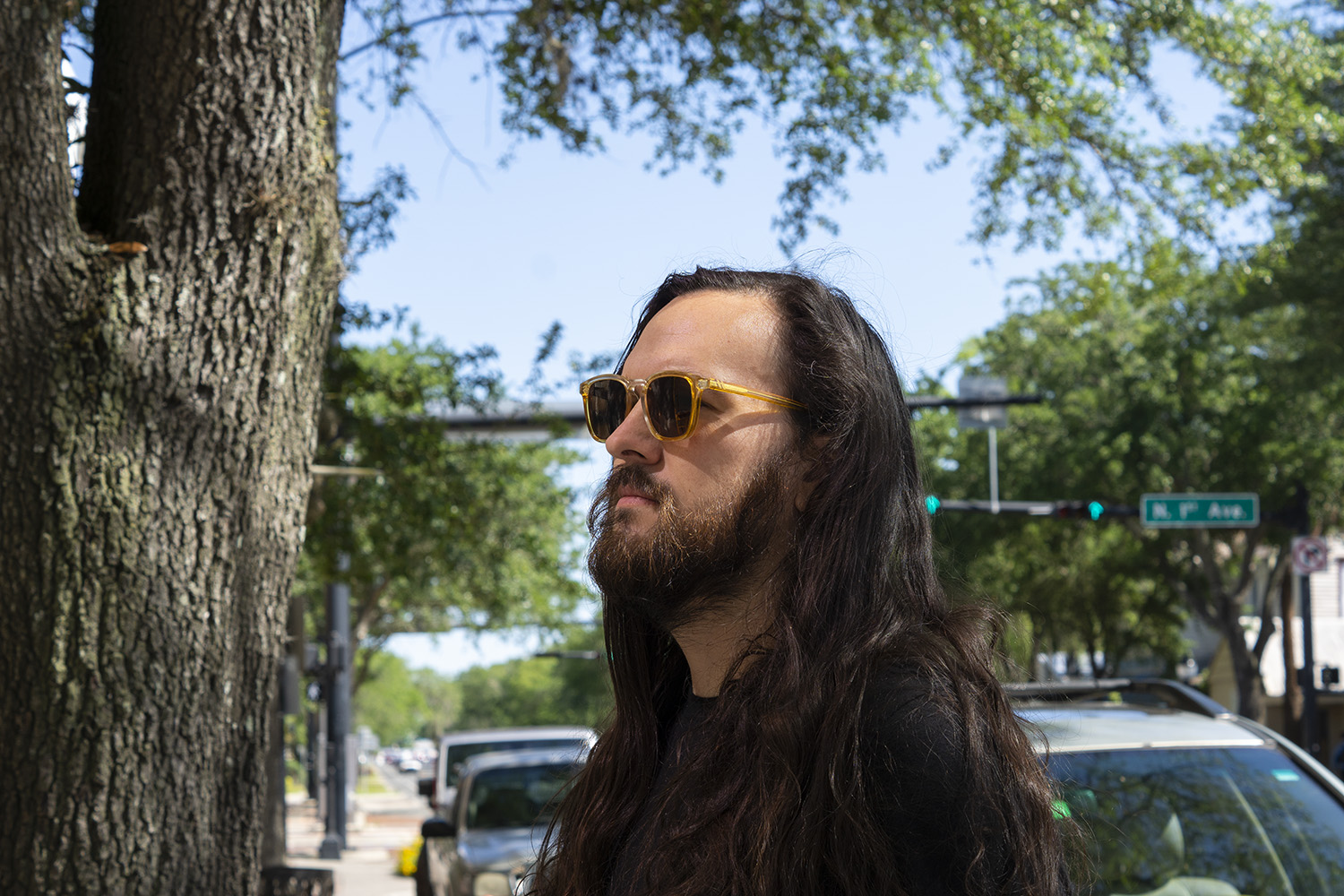
Founder of Energy Science Unlimited, focused on large-scale installations, production management, light and laser shows, and interactive systems.
What matters to me is a system that keeps ambitious public art technically sound and collaborative.
University of Florida Art in State Buildings program; chair of the City of Gainesville's Art in Public Places Trust and executive board member of FAPAP.
A streamlined application process frees artists to focus on creating meaningful work.
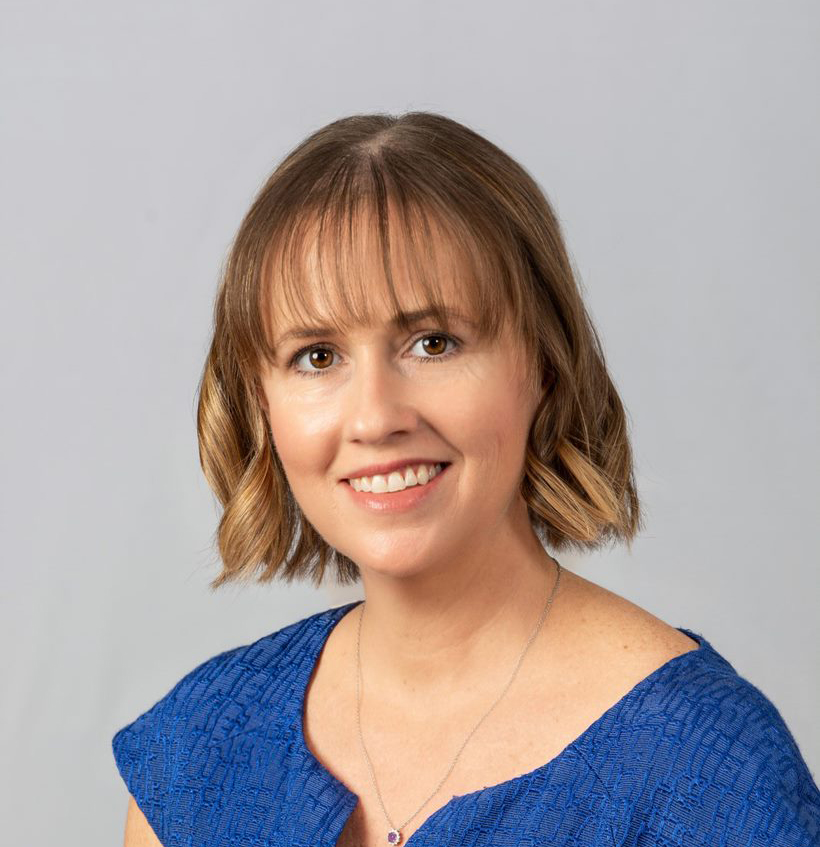
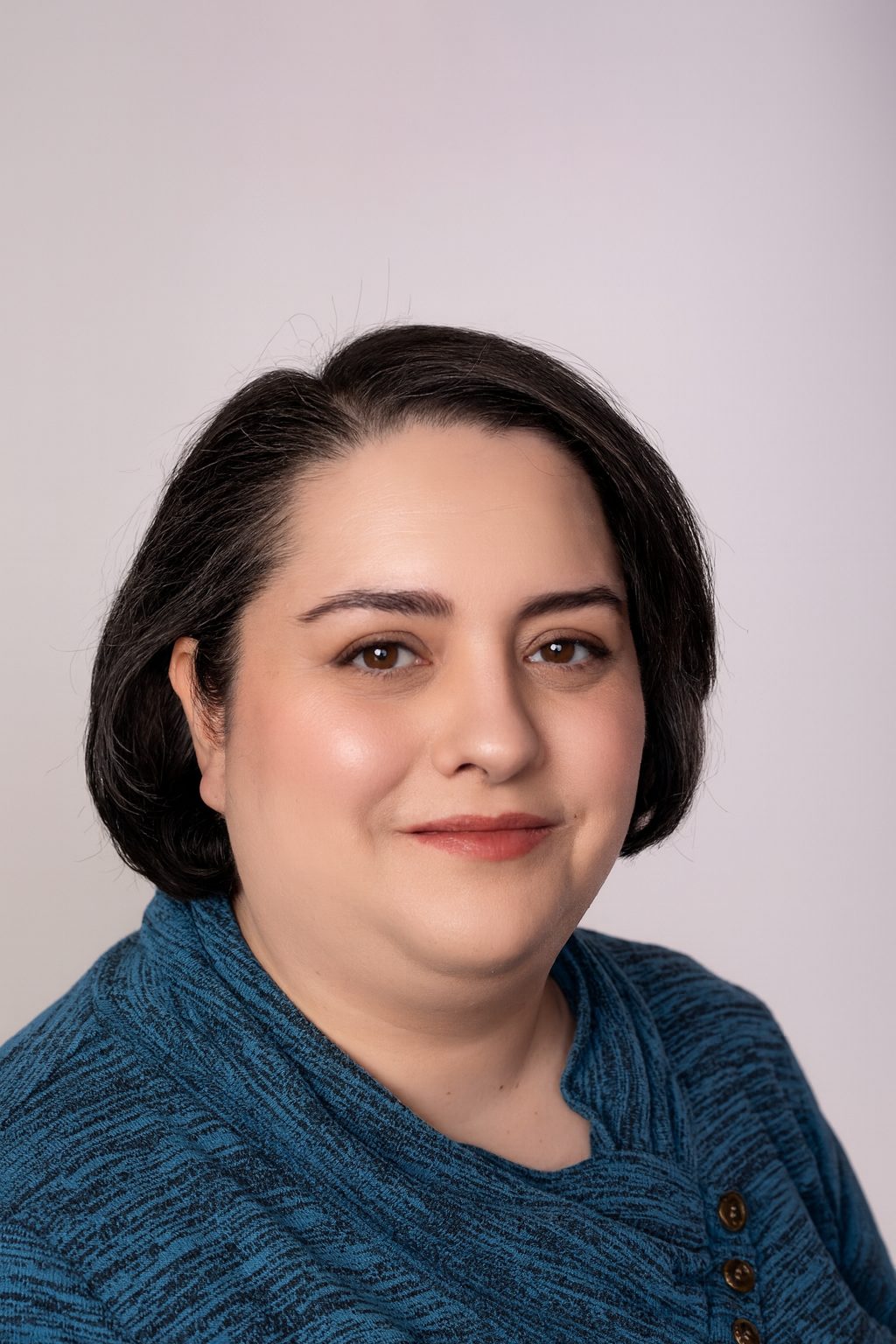
Expert in policy, collection management, professional development, and strategic guidance with clients ranging from U.S. municipalities to international clients.
Monochronicle is trying something new by centering what artists need and how to build a better system.
Contribute to the knowledge base
If you use a term, process, or public-art form that is not clearly named in the knowledge base yet, send it to us. Contributions are credited, reviewed, and folded into the shared vocabulary.
Contribute a termDefine the forms you practice; ask questions
Share open call and procurement language
Describe emerging forms and arising issues
Add critical context and historical framing
Establish valuation and classification standards